Stamped Concrete Sealing in Seattle, WA
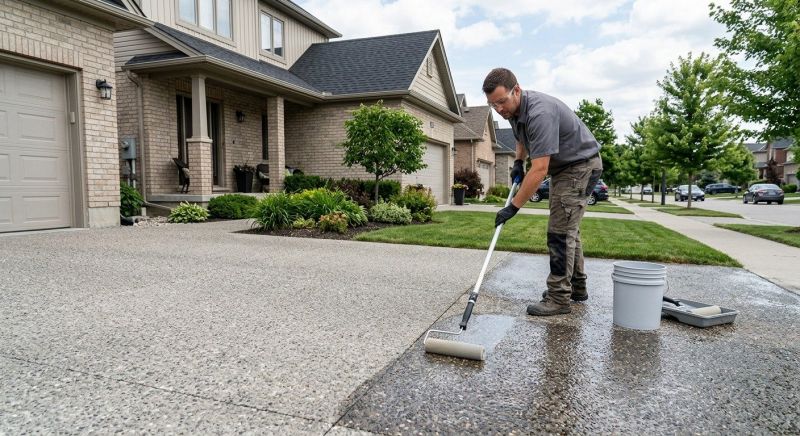
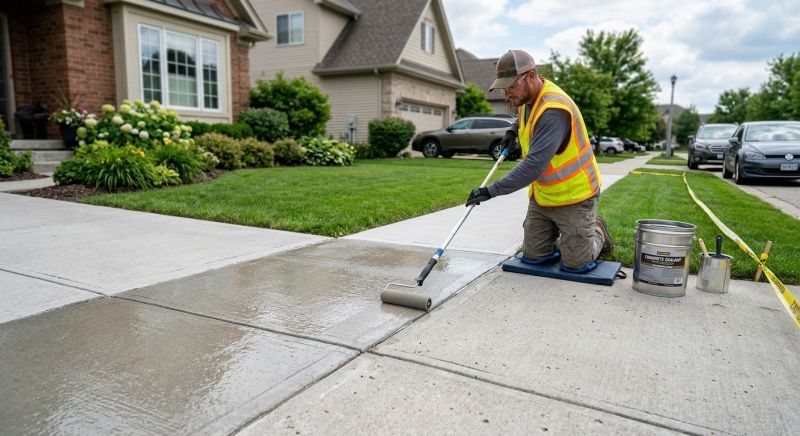
Stamped concrete sealing services involve applying a protective coating to stamped concrete surfaces to enhance durability and maintain their decorative appearance. This service is commonly requested for patios, walkways, driveways, and pool decks that feature stamped patterns or textures. Property owners usually want to understand how sealing can protect their investment from stains, weather damage, and wear over time, as well as how often the sealant should be reapplied to keep the surface looking its best.
Before requesting stamped concrete sealing, homeowners should consider the current condition of their concrete, including any existing cracks or damage, as well as the type of sealant used. It’s important to choose a sealant compatible with the specific stamped concrete finish and to understand the necessary preparation steps, such as cleaning and surface repair, to ensure proper adhesion. Proper sealing can help preserve the aesthetic appeal and extend the lifespan of stamped concrete surfaces.
Many property owners in Seattle, WA look into Stamped Concrete Sealing for repairs, replacements, upgrades, and appearance-related improvements.
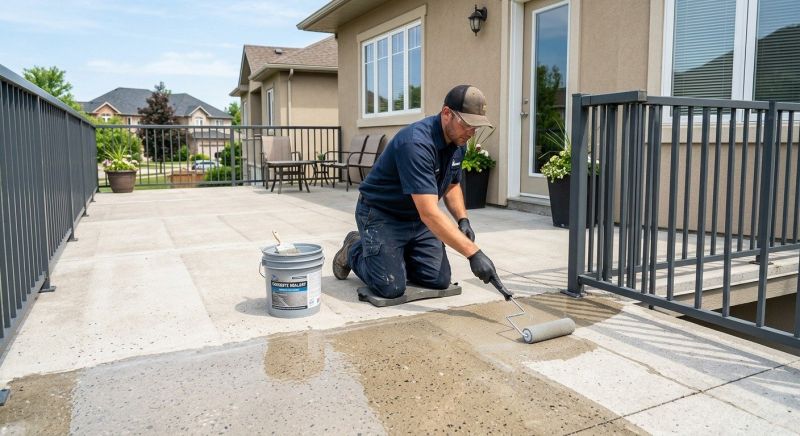
Enhanced Durability
Sealing stamped concrete helps protect surfaces from wear, weather, and stains, extending their lifespan.
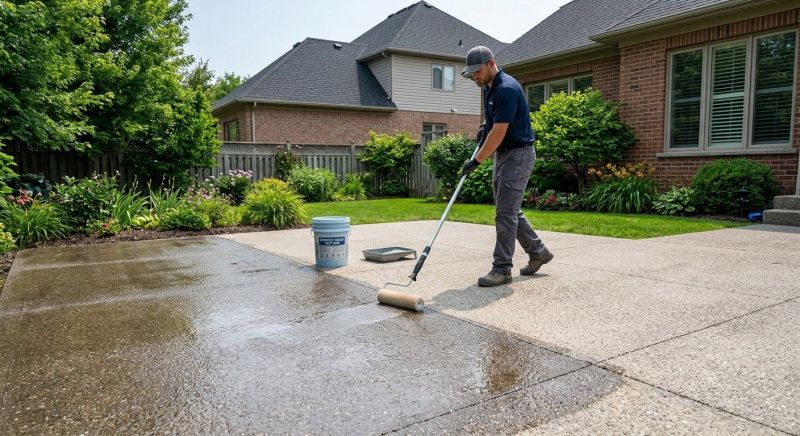
Improved Appearance
A quality sealant enhances the colors and patterns of stamped concrete for a fresh, polished look.
Low Maintenance
Sealed stamped concrete requires less cleaning and upkeep, making it easier to maintain in seattle's climate.
Stamped Concrete Sealing in Seattle, WA
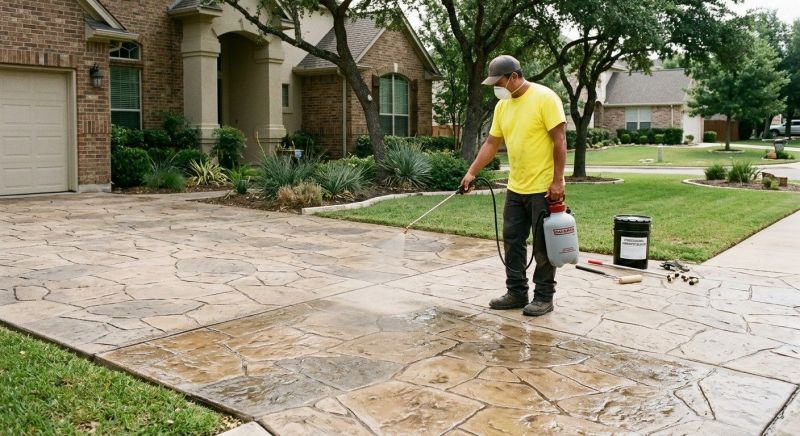
Stamped concrete sealing services involve applying a protective coating to stamped concrete surfaces to enhance durability and maintain their decorative appearance. This service is commonly requested for patios, walkways, driveways, and pool decks that feature stamped patterns or textures. Property owners usually want to understand how sealing can protect their investment from stains, weather damage, and wear over time, as well as how often the sealant should be reapplied to keep the surface looking its best.
Before requesting stamped concrete sealing, homeowners should consider the current condition of their concrete, including any existing cracks or damage, as well as the type of sealant used. It’s important to choose a sealant compatible with the specific stamped concrete finish and to understand the necessary preparation steps, such as cleaning and surface repair, to ensure proper adhesion. Proper sealing can help preserve the aesthetic appeal and extend the lifespan of stamped concrete surfaces.
Many property owners in Seattle, WA look into Stamped Concrete Sealing for repairs, replacements, upgrades, and appearance-related improvements.
Common Stamped Concrete Sealing Jobs
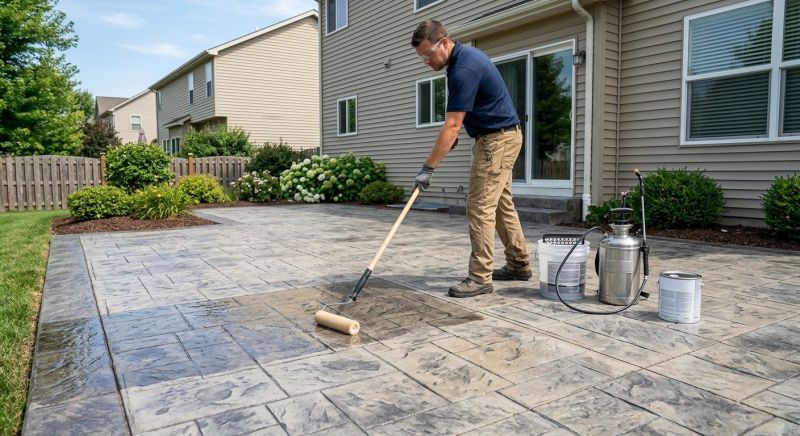
Patio surfaces - sealing enhances the durability and appearance of stamped concrete patios.
Walkways - sealing protects stamped concrete walkways from wear and weather damage.
Driveways - sealing helps prevent cracks and stains on stamped concrete driveways.
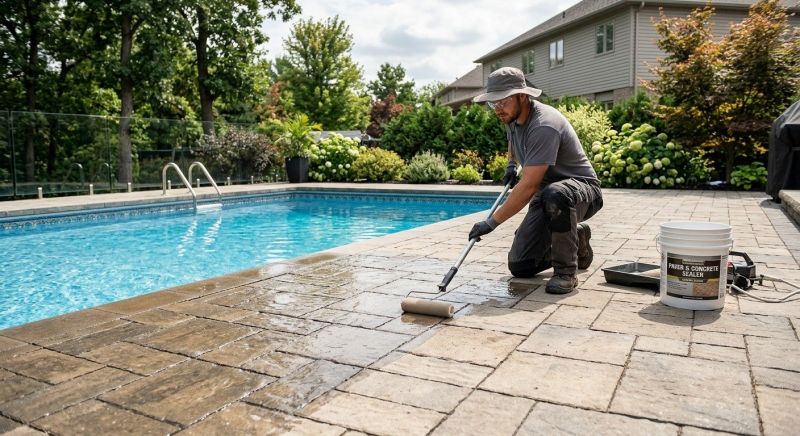
Pool decks - sealing maintains slip resistance and extends the lifespan of stamped concrete pool surrounds.
Outdoor entertainment areas - sealing preserves the vibrant look of stamped concrete in entertainment spaces.
Courtyards - sealing safeguards stamped concrete courtyards against staining and surface deterioration.
Stamped Concrete Sealing Questions
What is stamped concrete sealing? It is the process of applying a protective coating to stamped concrete surfaces to enhance durability and appearance.
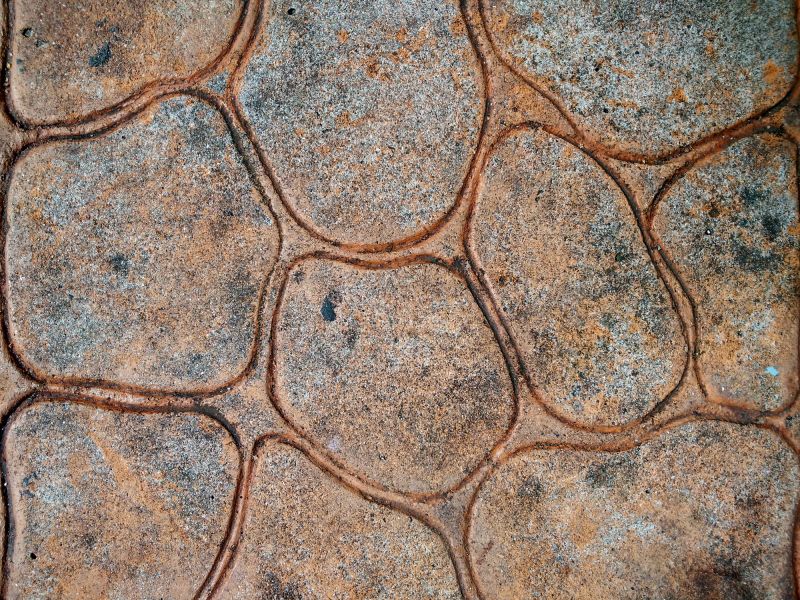
Why should stamped concrete be sealed? Sealing helps prevent stains, reduces surface wear, and maintains the decorative pattern over time.
When is the best time to seal stamped concrete? It is recommended after the concrete has fully cured, typically a few weeks after installation or repair.
How often should stamped concrete be resealed? Resealing is usually needed every 2 to 3 years to keep the surface protected and looking its best.
Request Stamped Concrete Sealing in Seattle, WA
Use the quote form on this page to share the basics of your project and request more information for the type of work you need.